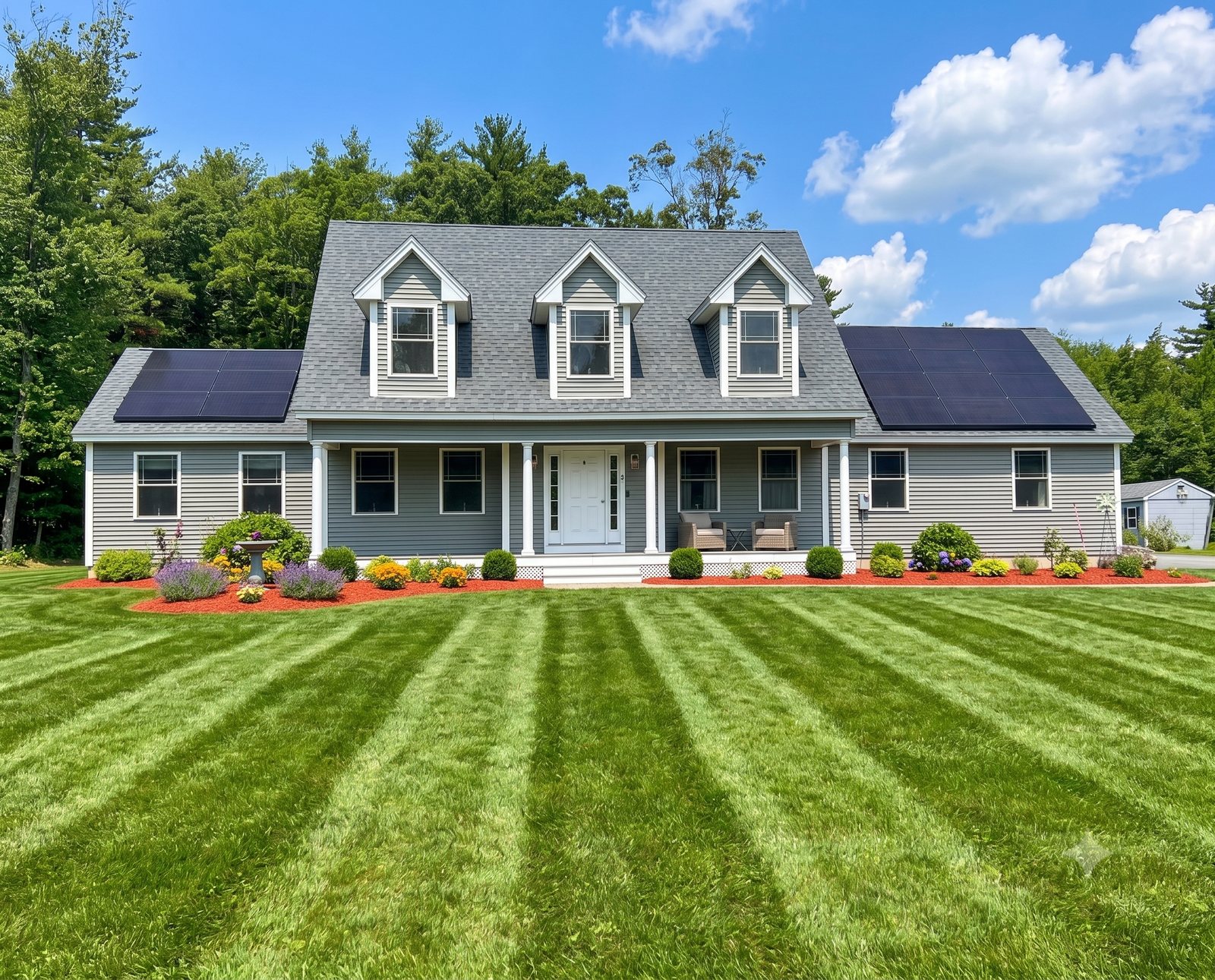
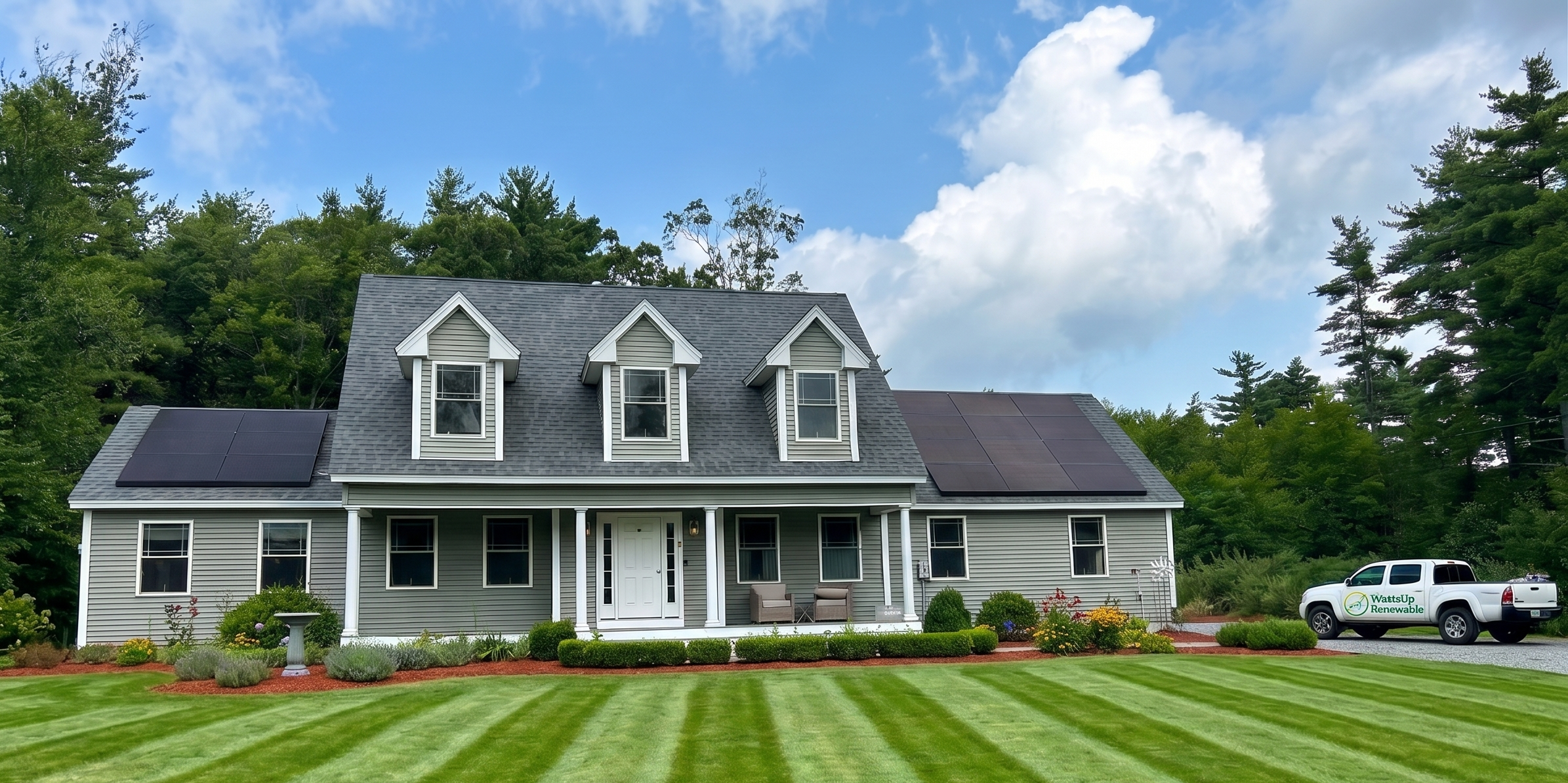
Here is a real example from one of our customers. Over the next thirty years they can spend $109,000 buying electricity from the utility, or less than 20% of that to make the same electricity on their own roof with solar panels.
Most people just pay their utility bill every month and don't consider that there is an alternative (even when NH electric rates are up 18% in a single year). While nobody was paying attention, Eversource has racked up over $27 billion in long term debt and projecting record breaking infrastructure costs over the next 5 years. The truth is that utilities are poorly managed companies with a bad track record that stay afloat because people don't consider that there is an alternative.
Solar panels can produce the same electricity, at 20% of the total cost over a 30 year period, with a fixed, predictable monthly payment.

This is what the very same house would have paid Eversource if it had never gone solar. Keep scrolling. The meter runs from year one to year thirty.
Right now it is only the electric bill. Nobody moves house over $177 a month.
They used the same amount of electricity inside.
One of them was paid for once. The other was every single month at higher and higher rates.
We look at solar as a financial decision. This is why we do a thorough analysis on your home to break down exactly what the financial return is, the payback period, and the total benefit over a 30 year period.
First-year savings measured against the system's price. This allows you to benchmark your system performance against High Yield Savings Account, Bonds, or other stable investments.
This is the point where the system has produced enough electricity to have paid for itself. You still have decades of energy to harvest from them.
The gap between owning the system and renting electricity for three decades, at this home's rates.
This house was financed with nothing down, on a payment that stayed fixed until it ended. We will walk you through what is available today on a call rather than freeze it on a web page. No battery is included in any of these numbers. That is a separate decision, and for this house it was not the right first move.
This system is sized to make 127% of what the homeowners needed. This gives them some room to grow without having to expand the system immediately.
This home pays $0.28 a kilowatt-hour, and that number has climbed about 3.5% a year, every year. Every year the utility raises rates, the value of the energy produced by your solar system goes up.
The rate on a loan for this system stays fixed for the entire term. So saving even a few dollars today compounds to massive savings over time.
The reason most people miss out on solar is that they don't understand how it would work on their specific home. That's why we do a full analysis and 30-year projection for every person we talk to.
Book a free remote consult (30-45 minutes). We'll analyze your bill, your roof, and your future plans to see if solar is a good fit for you and your family.
How we built these numbers. This is a real 8.1 kW DC system installed in Chester, New Hampshire: 18 × 450W panels on 18 Enphase IQ8MC microinverters, photographed after commissioning. The homeowners asked us not to publish their name or their financing terms. Production of 9,634 kWh in year one is a design forecast from our shading and irradiance model, not metered output, and it degrades 0.5% a year in the projection. Utility figures use the home's actual Eversource NH service: 7,600 kWh a year, a $177 average monthly bill, an effective rate of $0.28 per kWh, and 3.5% annual escalation, which is roughly the ten-year average for this territory. Compounded over thirty years that is $109,647, the figure the meter above counts to. The system cost less than 20% of that figure, which is where the comparison above comes from. The 14.2% return is first-year savings divided by the same system cost: a simple annual return, not an internal rate of return, and it does not discount future dollars. These are estimates for illustration. Your own result depends on your roof, your usage, your utility's rate path, and the incentives available when you build. We are solar installers, not financial advisors, and nothing here is financial advice.